Enjoy 5% OFF + FREE shipping on orders $49+! Use Code: 202512AK5

VR Headsets and Glasses: Comfort & Compatibility Guide
Glasses compatibility is an important part of choosing a VR headset. Frame width, visor clearance, eye relief, and prescription-insert availability can affect comfort as much as headline display specifications.
A headset may technically accommodate glasses while still pressing at the temples or placing eyeglass lenses too close to the headset optics.
Prescription inserts and contact lenses offer alternatives, but inserts must match the exact headset model and contacts suit only users who already wear them comfortably.
This guide compares practical fit and vision-correction questions across standalone, console, and PC VR without relying on a release-year ranking.
Use model-specific product pages to confirm compatibility before ordering any optical accessory.
Table of Contents
The Evolution of VR Headsets and Glasses Compatibility
VR headsets have come a long way since their inception. Initially, designs were bulky and didn’t consider glasses wearers. Today, many headsets are made with this audience in mind.
A significant evolution in design includes adjustable lenses. This feature allows glasses users to find a suitable fit. Spacious helmet designs also aid in making these devices more inclusive.
Here are some ways VR headsets have evolved for glasses compatibility:
- Adjustable lenses for clarity without removing glasses
- More spacious design around the eyes
- Customizable padding and faceplates for comfort
The demand for better compatibility is only growing. More people require vision correction as VR becomes mainstream. Headset designers are responding with innovative solutions.
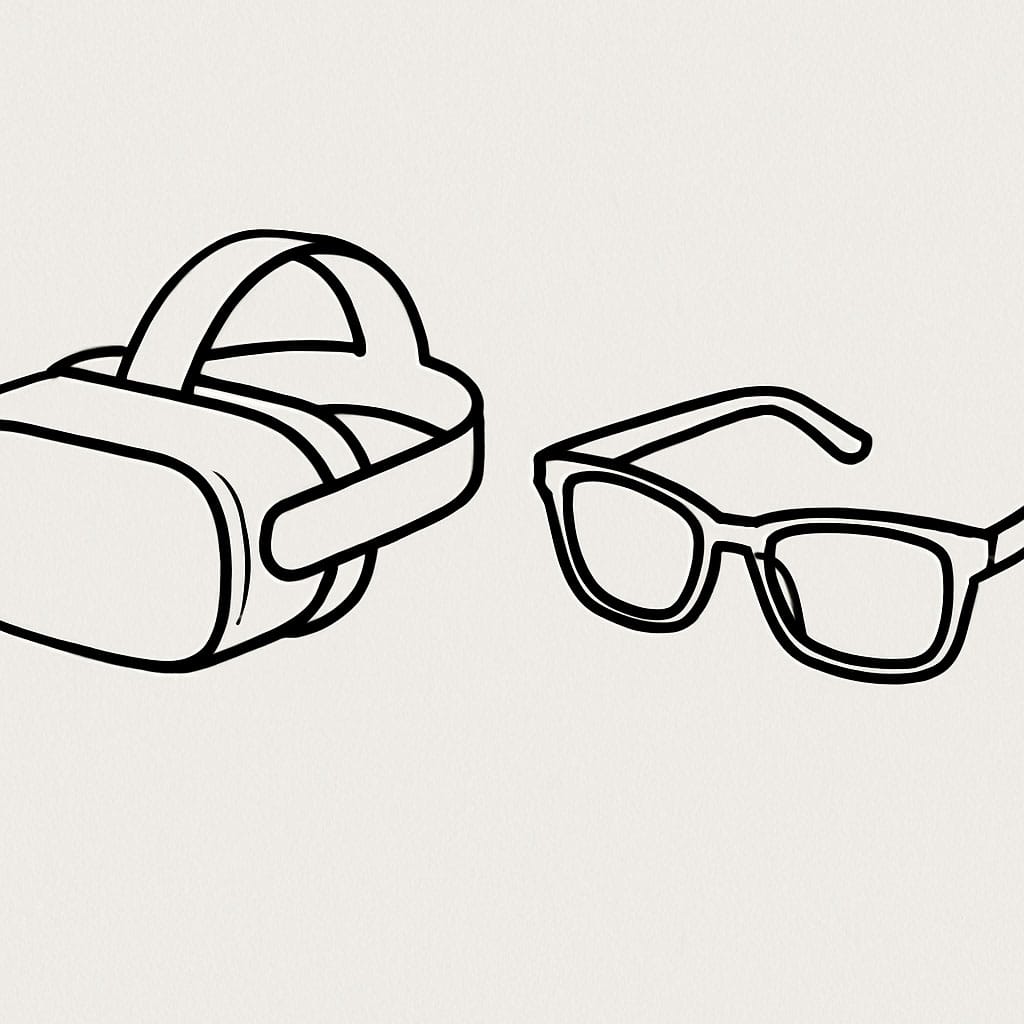
As technology advances, headsets will likely become more accommodating. Features like integrated prescription lenses could become standard. Such advancements will revolutionize the VR experience for all users.
In this rapidly evolving landscape, staying updated with the latest developments is essential. Whether you are a seasoned VR user or just curious, understanding these changes ensures you choose the right headset.
Why Glasses Compatibility Matters in VR
Glasses compatibility in VR is vital for several reasons. First, a significant portion of the population wears glasses. Ensuring that headsets accommodate these users can broaden the VR market.
Uncomfortable fits can detract from the immersive experience. Users wearing glasses may find poorly designed headsets uncomfortable to wear. This discomfort can shorten VR sessions and reduce enjoyment.
Key reasons for the importance of glasses compatibility include:
- A large number of potential users wear prescription glasses.
- Comfort issues can impact the quality of the VR experience.
- Compatibility increases the accessibility of VR technology.
By focusing on these factors, manufacturers can enhance user satisfaction. Providing a seamless VR experience for glasses wearers leads to higher user adoption. It also paves the way for VR’s future as a more inclusive technology.
Key Features to Look for in the Best VR Headsets
When selecting a VR headset, there are several critical features to consider. These elements can significantly affect your virtual reality experience. Ensuring you choose the right ones for your needs is essential.
Display quality is at the top of the list. High-resolution screens with vibrant colors create a more lifelike experience. Look for headsets with wide fields of view and low latency to ensure an immersive experience.
Comfort plays a significant role as well. Headsets should be lightweight and offer adjustable straps to fit various head sizes. This becomes even more crucial for those who wear glasses.
Essential features to consider include:
- High-resolution displays for better visuals
- Wide field of view for enhanced immersion
- Adjustable fit for comfort, especially with glasses
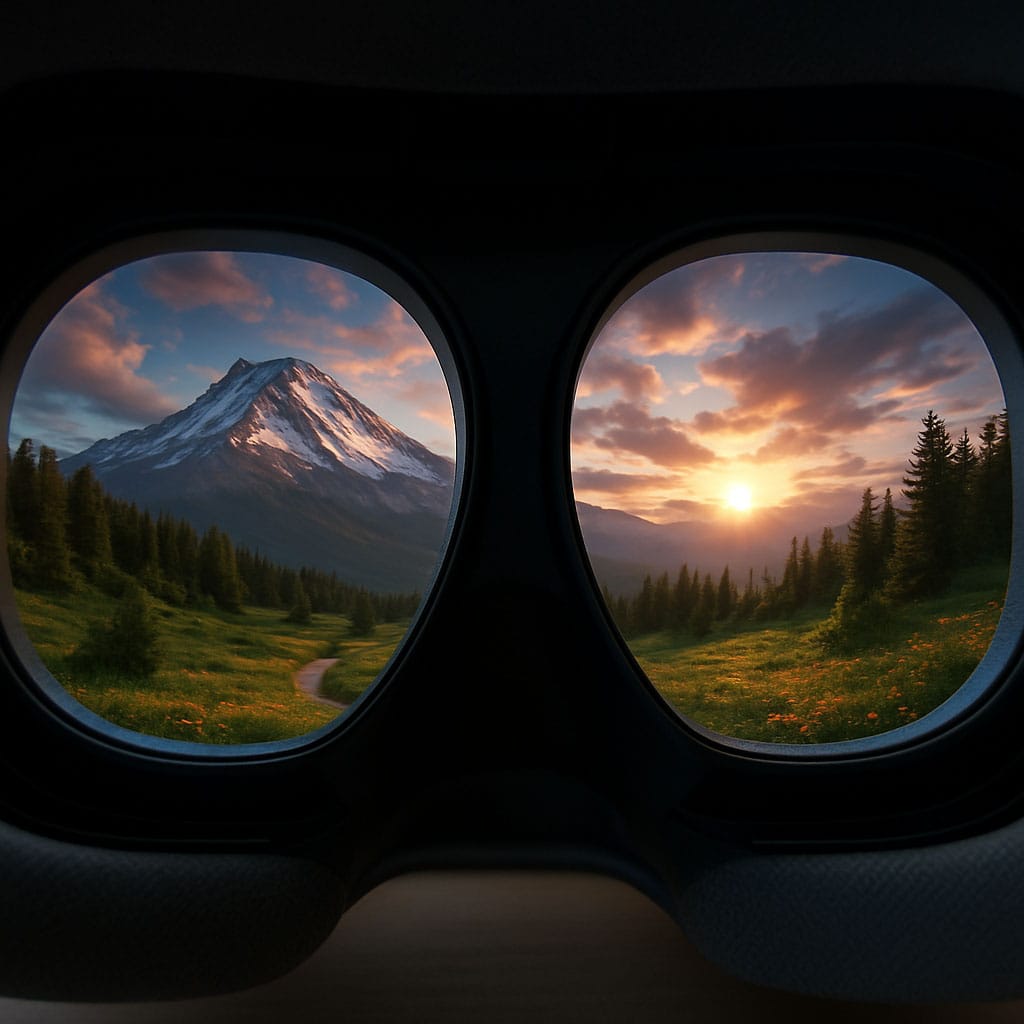
Lastly, consider compatibility with multiple platforms. Some headsets work with PCs, consoles, or standalone setups. This flexibility can provide more value, accommodating different types of users and uses.
Spotlight on ANNKUTVR: Innovation and User Experience
ANNKUTVR stands out in the VR headset market for its innovative designs and focus on user comfort. This brand prioritizes making virtual reality accessible and enjoyable for all users, including those who wear glasses.
One of the key features of ANNKUTVR headsets is their compatibility with multiple VR platforms. This ensures that users can enjoy a seamless experience regardless of their setup. They also offer adjustable fit options, catering specifically to glasses wearers.
Notable features of ANNKUTVR include:
- Innovative and user-friendly design
- Broad platform compatibility
- Enhanced comfort for glasses wearers
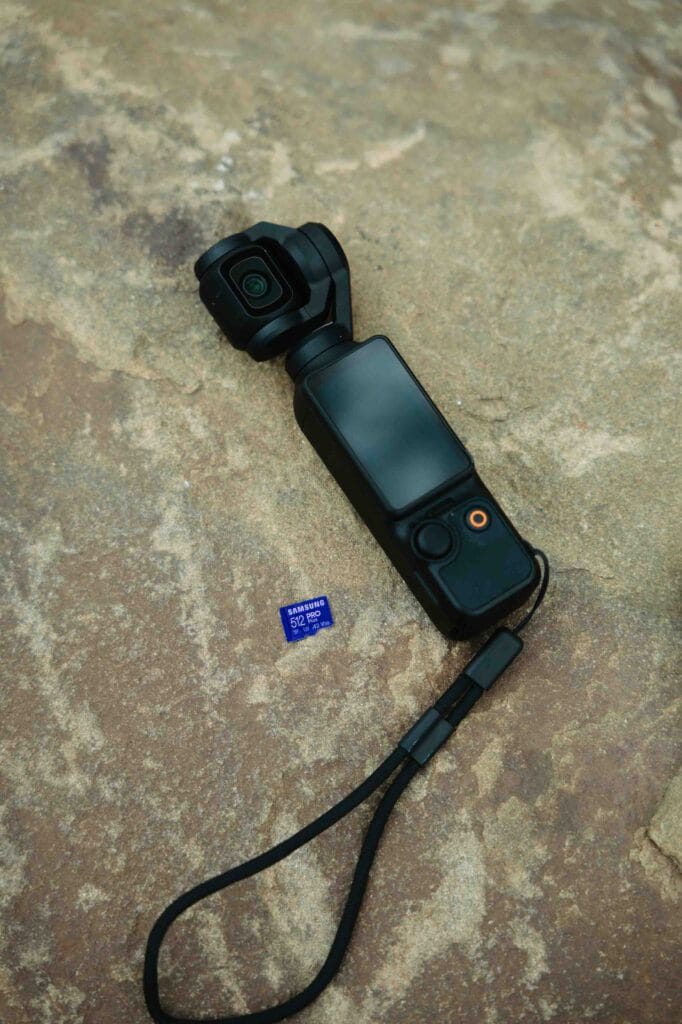
User reviews frequently highlight ANNKUTVR’s ease of use. It’s designed with intuitive controls and user-centered features, making it a favorite among both beginners and seasoned VR enthusiasts.
VR Headset Reviews: Top Picks for Glasses Wearers
For glasses wearers, finding a compatible VR headset can be challenging. Comfort and fit play crucial roles in ensuring a pleasant VR experience. Below, we review some of the best options on the market.
The Oculus Quest 2 offers a spacious fit and adjustable lenses. It’s known for its clear display and easy setup. Many users appreciate its standalone functionality, making it a versatile choice for gamers and tech enthusiasts.
The HTC Vive Pro 2 is another excellent option. It boasts a high-resolution display and a comfortable, adjustable fit, crucial for glasses wearers. Its superior graphics and smooth performance make it one of the top contenders in the VR headset market.
Sony’s PlayStation VR is perfect for those already engaged in the PlayStation ecosystem. It features a roomy design to accommodate glasses comfortably. Plus, its library of exclusive games enhances its appeal.
Top picks for glasses wearers include:
These headsets are frequently praised for their balance of comfort and performance. They cater to different needs and preferences, ensuring that glasses wearers do not have to compromise on their virtual reality experience. Choosing the right VR headset can transform how glasses wearers engage in digital worlds.
The Future of VR Headsets: Trends and Predictions
The VR industry continues to evolve rapidly, with innovation at its core. Future headsets promise improved features and more inclusive designs. These advancements aim to enhance user experiences significantly.
Emerging trends include the integration of augmented reality features. This development paves the way for mixed reality experiences, offering users new ways to interact with digital environments. Additionally, standalone headsets are gaining popularity, reducing dependency on external devices.
Experts predict significant enhancements in comfort and technology. We can look forward to:
- Improved eye-tracking and haptic feedback
- Better battery life and wireless connectivity
- Advanced compatibility with prescription glasses
These trends and predictions hint at an exciting future for VR enthusiasts. As technology advances, the possibilities for virtual experiences broaden, promising more immersive and accessible options.
Conclusion: Choosing the Right VR Headset for You
Choose the platform and software first, then confirm frame clearance, fit adjustments, and the correct vision-correction path. Do not assume that one insert frame works across headset generations.
A stable, comfortable view comes from accurate prescription data, correct headset positioning, and enough space between optical surfaces.