Enjoy 5% OFF + FREE shipping on orders $49+! Use Code: 202512AK5

Will Quest 2 Lenses Fit Quest 3? Compatibility Guide
Table of Contents
Virtual reality (VR) is transforming how we experience digital worlds. The Oculus Quest series is at the forefront of this revolution. With the release of Quest 3, many users are curious about lens compatibility. Specifically, will Quest 2 prescription lenses fit the new Quest 3 headset?
This question is crucial for those who rely on prescription lenses for a clear VR experience. Understanding the differences between Quest 2 and Quest 3 lenses is essential.
In this article, we will explore these differences and provide guidance on VR prescription lenses. We will also discuss top brands like ANNKUTVR and what to consider before purchasing Quest 3 lenses.
Stay informed to ensure the best VR experience possible.
Understanding VR Prescription Lenses: Why They Matter
VR prescription lenses play a vital role in ensuring clear vision. For users with eyesight issues, they can transform a blurry experience into a vivid one. These lenses allow VR enthusiasts to enjoy their headsets without the hassle of wearing glasses.
Users often choose VR prescription lenses for several reasons:
- Comfort and convenience without glasses
- Reduced eye strain during long sessions
- Enhanced immersion due to clear vision
The growing demand reflects their importance as VR goes mainstream. Properly fitted lenses can make a significant difference in comfort and overall satisfaction.
Understanding why prescription lenses matter is the first step. Ensuring the right fit is equally important for a seamless VR experience.
Quest 2 vs. Quest 3: Key Differences in Lens Design
The Quest 2 and Quest 3 VR headsets differ significantly in lens design. Each model features unique improvements aimed at enhancing user experience. These differences are crucial for compatibility with prescription lenses.
Quest 2 lenses are known for their straightforward, efficient design. They deliver sharp images, but have certain limitations in terms of field of view. Users often praise their balanced performance and cost-effectiveness.
The Quest 3, however, introduces potential advancements. Design changes may include improved optics and wider fields of view. These upgrades are designed to offer a more immersive experience. Consider the following key differences:
- Lens shape and size modifications
- Potentially advanced optics for better clarity
- New attachment mechanisms for enhanced fit
Compatibility hinges on how these changes affect lens fitting. The Quest 3 might require its own specific prescription lens design. Users should consider these factors before making purchase decisions. Ultimately, staying informed about official Oculus updates can be beneficial.
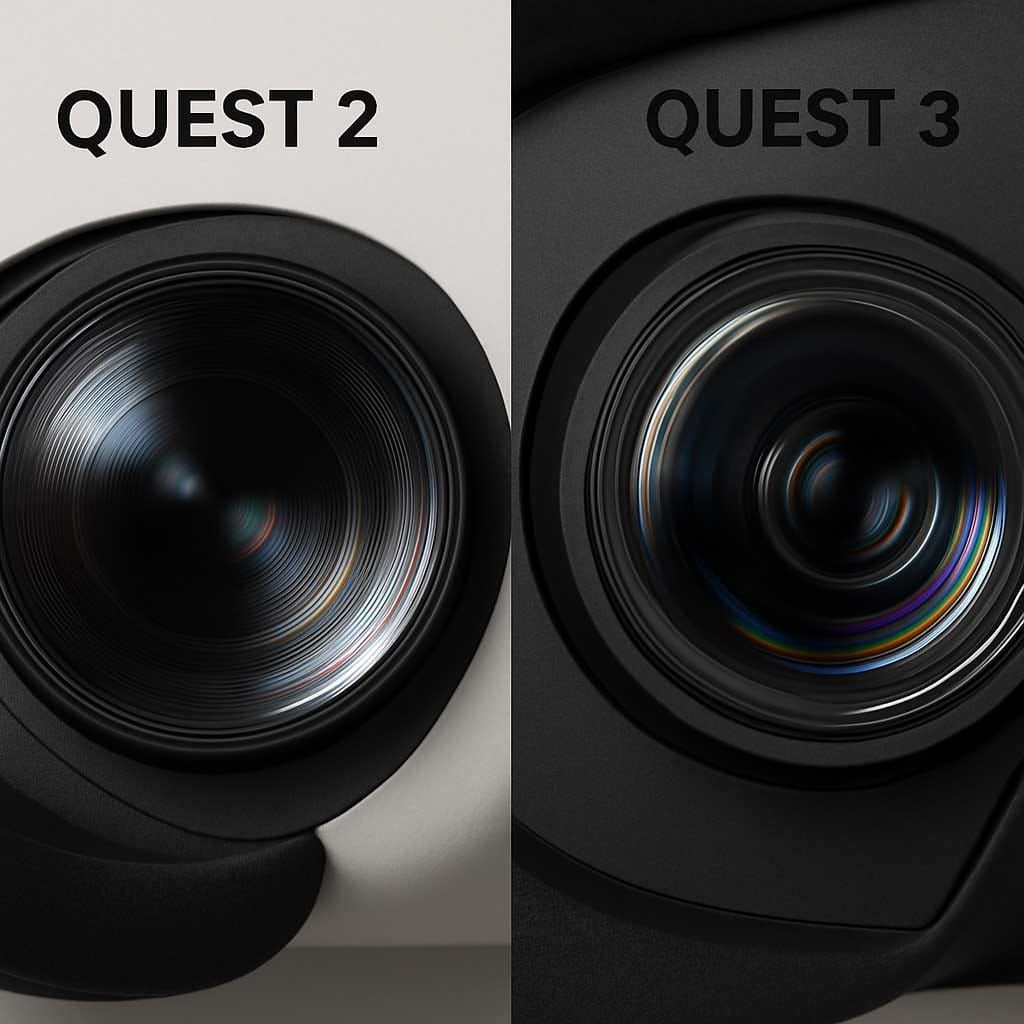
Will Quest 2 Prescription Lenses Fit Quest 3?
Compatibility between Quest 2 and Quest 3 prescription lenses remains a common query among VR users. Whether these lenses can fit is largely dependent on the design specifics of the Quest 3. It’s essential to compare size, shape, and attachment features.
Quest 2 lenses were crafted specifically for the Quest 2 headset. They provide a tailored fit that optimizes visual clarity. However, the introduction of the Quest 3 may involve distinctive design improvements. These improvements could directly affect lens compatibility.
Several factors influence compatibility:
- New lens attachment mechanisms
- Changes in lens curvature or size
- Enhanced optical features in Quest 3
The possibility of the Quest 2 lenses fitting the Quest 3 remains uncertain. It’s advisable to wait for official announcements from Oculus. These announcements are likely to clarify the dimensions and lens-fitting mechanisms.
In conclusion, while some may attempt using Quest 2 lenses, others might prefer to invest in Quest 3-specific solutions. Awareness and research are key to making an informed decision.
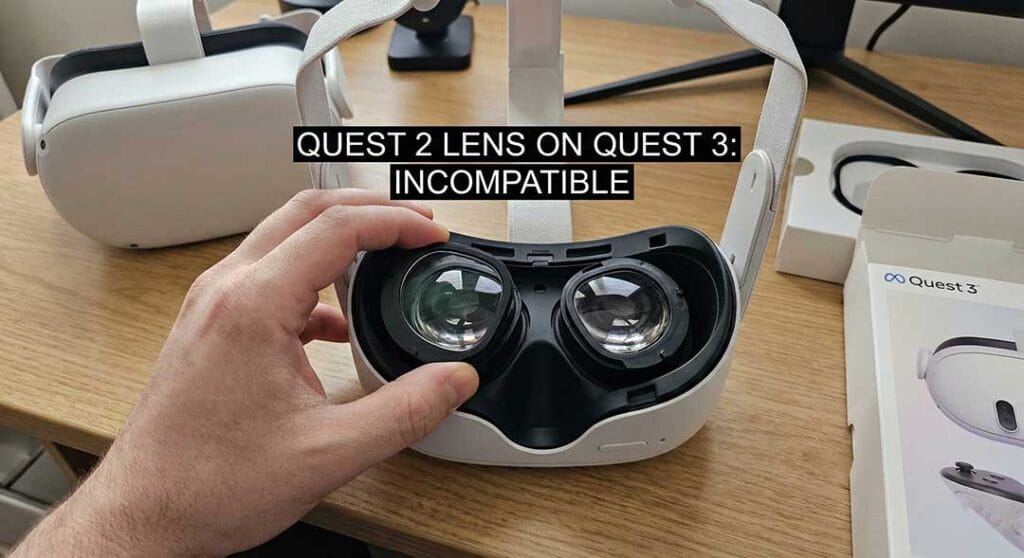
What to Know Before Buying Quest 3 Prescription Lenses
Before purchasing Quest 3 prescription lenses, it’s important to consider a few crucial factors. Compatibility, cost, and availability are top considerations. These lenses are key for a seamless VR experience for users needing vision correction.
First, verify compatibility with the Quest 3. This step is essential since previous models’ lenses may not fit or function properly. Check for official specifications from Oculus. You can also look into information provided by reputable VR lens brands.
Next, consider the price and return policies. Prescription lenses can vary widely in cost. Factors such as lens material and customizations affect pricing.
Key points to review:
- Compatibility with Quest 3 headset
- Pricing and available warranty or return policy
- Customization options for specific vision needs
Finally, explore brands renowned for quality. ANNKUTVR is one such brand that offers reliable VR prescription lenses. Ensure your purchase includes customer support in case of any issues. Engaging with the VR community for reviews and advice can also be helpful.
Top Brands for Quest 3 Prescription Lenses: ANNKUTVR and More
Finding the right prescription lenses for the Quest 3 requires selecting a reputable brand. ANNKUTVR stands out as a leader in this space, known for providing reliable solutions. Their lenses often come with high-quality optics and great durability.
Another brand to consider is VR Lens Lab, which offers custom lenses. They cater to various vision needs, ensuring a precise fit for improved comfort and clarity. Additionally, some smaller brands are emerging with innovative features tailored for advanced VR setups.
Here are a few top brands to explore:
- ANNKUTVR: Known for quality and reliability
- VR Lens Lab: Offers custom lenses for different needs
- WIDMOvr: Specializes in affordable lens solutions
While making your choice, prioritize lens material and customization options. A wide range of prices and features are offered by different brands, so thorough research is beneficial. Always check reviews and ensure customer service is responsive.
Tips for a Comfortable and Clear VR Experience
Achieving a comfortable VR experience relies on proper lens fitting. Well-fitted prescription lenses reduce eye strain significantly. This enhances your VR sessions and offers a more enjoyable time.
Consider these tips to optimize your VR experience:
- Regularly clean your lenses to maintain clarity
- Adjust the headset straps for a secure fit
- Experiment with IPD (interpupillary distance) settings
Customizing settings to your personal comfort can make a big difference. Make sure to take regular breaks to rest your eyes. This can help prevent fatigue and maintain sharp vision.
Investing in high-quality lenses pays off over time. These lenses not only improve visual clarity but also extend the longevity of your VR gear. Proper maintenance and adjustments enhance both comfort and immersion.
Frequently Asked Questions About VR Prescription Lenses
Are Quest 2 lenses compatible with Quest 3?
Quest 2 prescription lens inserts do not fit the Meta Quest 3. The Quest 3 uses a new “pancake” lens design with a different shape and attachment mechanism.
Note: Interestingly, Quest 2 lenses are compatible with the newer budget model, the Meta Quest 3S, as it reuses the Quest 2’s optical stack.
Can you put prescription lenses in Meta Quest 3?
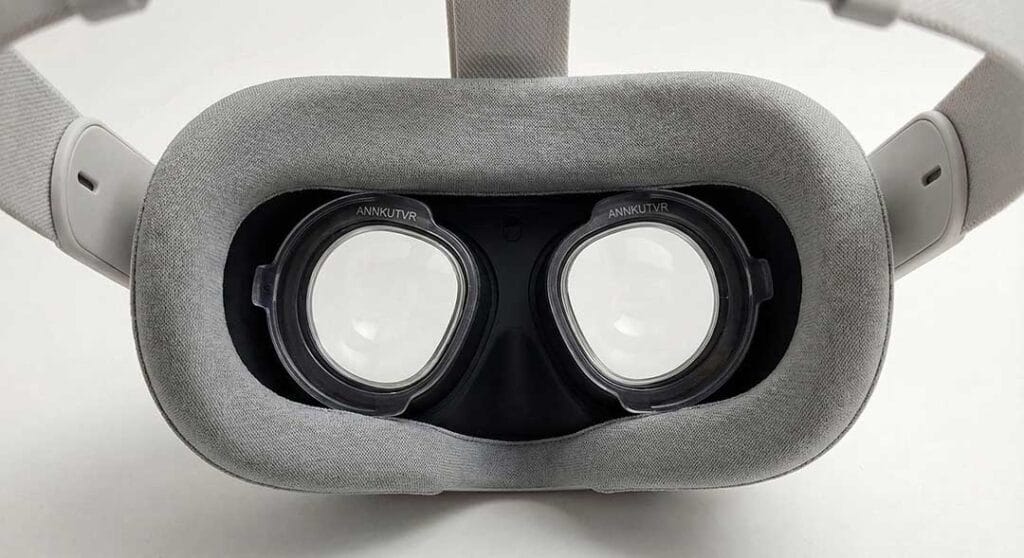
Yes. You can buy custom prescription lens inserts that snap directly onto the Quest 3’s lenses. This is the most recommended way to play if you need vision correction, as it eliminates the need to wear glasses inside the headset.
How to use Meta Quest 3 if you wear glasses?
If you prefer not to buy inserts, you can still wear glasses. The Quest 3 has a built-in depth adjustment mechanism (buttons on the inside of the facial interface) that allows you to slide the face cushion further out to create room for your glasses.
Warning: Be very careful. If your glasses touch the VR lenses, they can permanently scratch the soft plastic of the headset lenses.
Is Quest 2 shutting down in 2026?
Not exactly “shutting down,” but support is ending. Meta has announced that the Quest 2 will stop receiving new feature updates after December 2026.
However, it will continue to receive critical security patches and bug fixes until at least 2027. You will still be able to use the headset and play your games after these dates, but it will effectively be a “legacy” device.
Is Meta making a Quest 4?
Yes, almost certainly. While not officially announced, reliable industry leaks and rumors suggest a Meta Quest 4 is in development, with a likely release window of 2026.
Rumors suggest there may be two versions: a standard model and a premium/pro version, potentially reintroducing features like eye-tracking.
Is Quest 2 still worth it in 2025?
Generally, No. Unless you can find a used one for under $100, it is hard to recommend in 2025.
Why? The Quest 3S has replaced it as the budget option. The 3S plays the same new mixed-reality games as the Quest 3 (which the Quest 2 cannot play) and has a much faster processor. As developers focus on Quest 3/3S graphics, the Quest 2 will feel increasingly outdated.
Are prescription lenses worth it in Quest 3?
Even though the screens are right in front of your eyes, the lenses in a VR headset optically project the image to a focal distance of about 1.3 to 2 meters (4 to 6 feet) away.
If you are nearsighted (myopic) and cannot see clearly at a distance of 6 feet in real life, the VR world will look blurry to you without glasses or contact lenses.
Why is VR so blurry without glasses?
Yes, absolutely. Most users consider them the single best accessory for three reasons:
Comfort: No glasses frames digging into your temples or nose.
FOV (Field of View): You can get your eyes closer to the lenses than you can with glasses, giving you a wider view.
Protection: They act as a screen protector for the Quest 3’s lenses, preventing your glasses from scratching them.
How much are prescription lenses for Meta Quest 3?
At ANNKUTVR, get Meta Quest 3 prescription lenses for just $49 with free shipping. (Price may vary based on your prescription).
Conclusion: Making the Right Choice for Your VR Vision
Choosing the right prescription lenses is crucial for an enjoyable VR experience. Whether you opt for Quest 3 lenses or stick with Quest 2 options, prioritize compatibility and comfort.
Stay informed about updates from lens manufacturers and Oculus. This knowledge allows you to make the best choice for your needs. Taking the time to research and understand your options ensures a clear and comfortable VR journey.
Ready to Upgrade Your VR Vision?
Don’t let blurry vision or uncomfortable glasses limit your immersion in the Meta Quest 3. At ANNKUTVR, we provide premium, custom-made prescription lenses starting at just $49 with Free Global Shipping. Protect your headset from scratches and enjoy crystal-clear clarity tailored to your exact prescription.